
Home protection, quietly done
Smart Security Systems For The Modern World
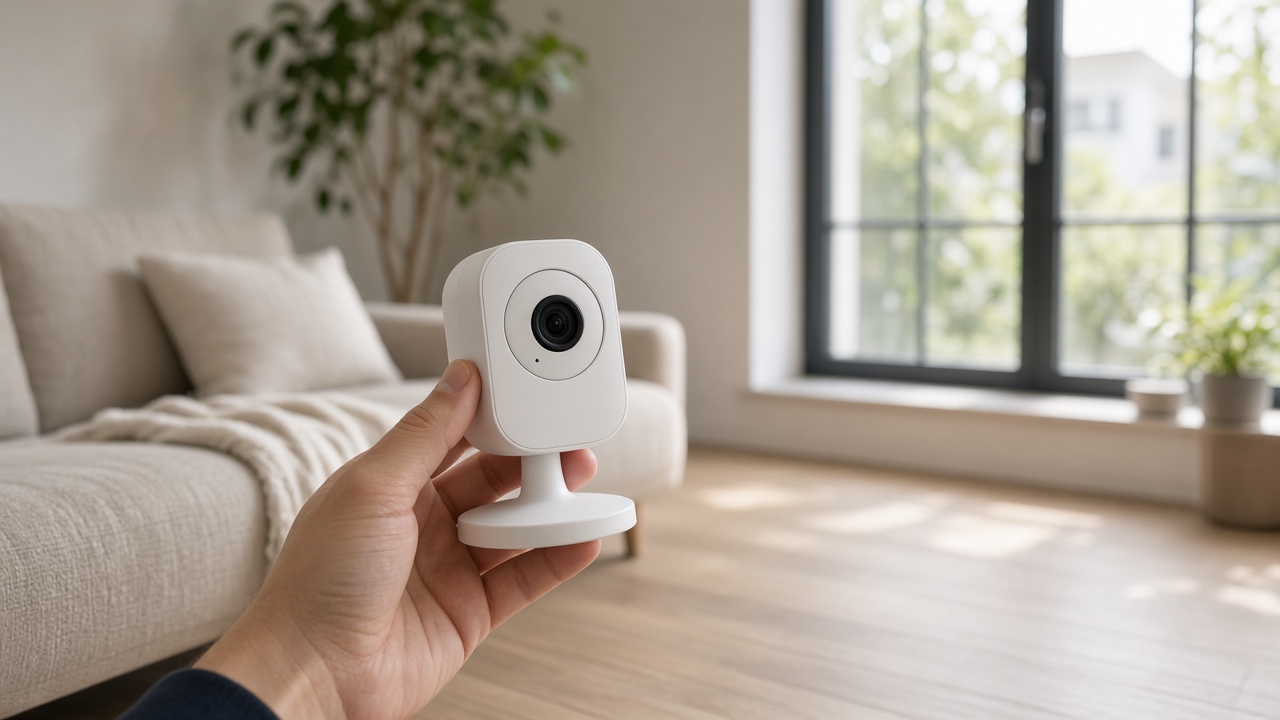
Cameras, sensors, doorbells, and locks arranged around the way your household actually moves. Aegiswell keeps the setup clear, the alerts useful, and the follow-up human.
- Doors, windows, and hallways
- Entries, yards, and side paths
- Care that continues after install day
Why households stay
Protection Against All Odds, Without the Noise
A good home system is not a pile of gadgets. It is a short list of places that matter: the front approach, the back gate, the room you pass through at night, and the doors you actually use. We start there, then add only what the floor plan asks for.
Every recommendation comes with a reason. If a sensor would cry wolf because of a pet path or a loose window, we say so before it goes on the wall. The result is a home that feels looked after, not watched.
- Door, window, and glass-break sensing where it earns its place
- Indoor and outdoor cameras with private, household-held clips
- Video doorbell and lock pairing for people you expect
- App alerts you can quiet by room, hour, or routine
- A labeled install and a care rhythm after the ladder leaves
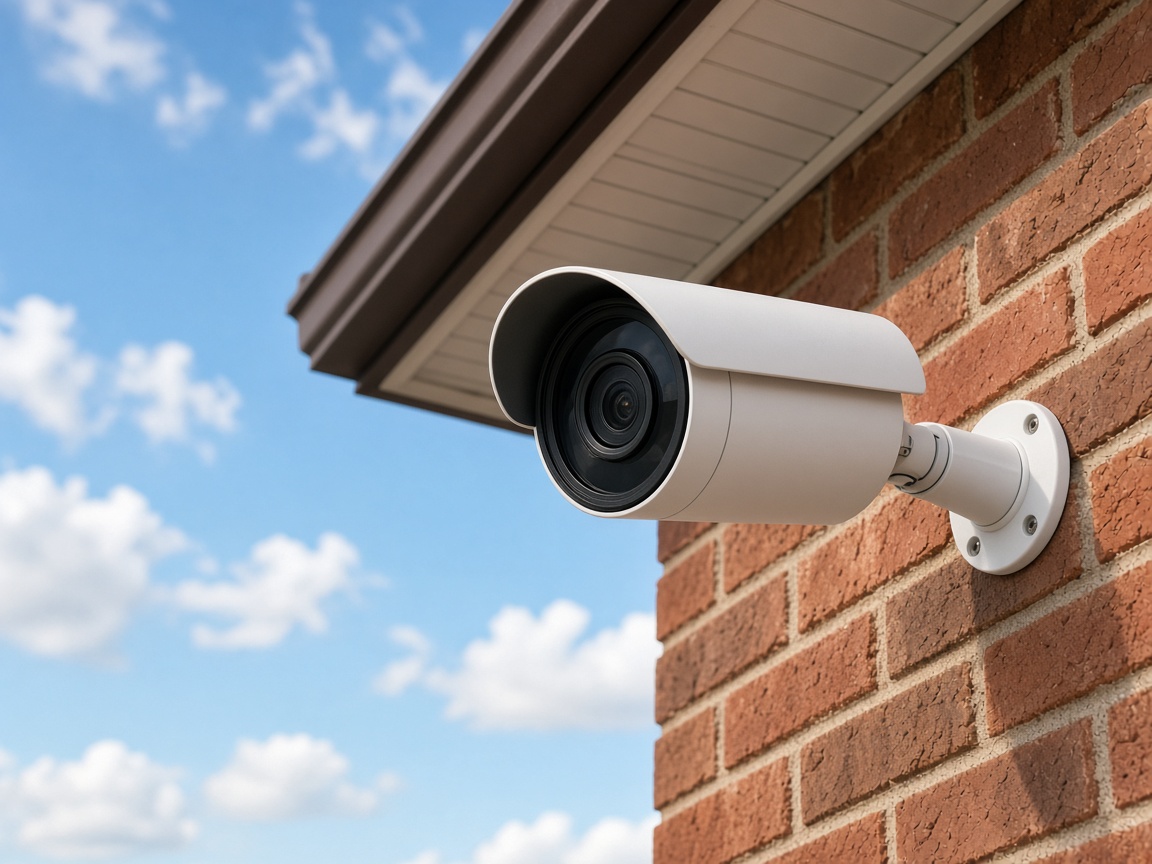
Weather-ready housing
Placed for the path, not just the prettiest wall.
A steady practice
Built From Repeat Visits, Not One-Day Drop-Ins
These figures describe the work we return to: long relationships, careful placement, and households that keep their care plan because the system still makes sense a year later.
Plans
Simple Pricing That Fits the Home You Have
Start with entries and sensors, or cover the yard and the care calendar in one step. Switch the view to compare month-to-month with a yearly rhythm.
Monthly
Yearly save about 20%
Essential
A calm starter for apartments and smaller houses.
$29/mo
Billed month to month
- Door and window sensors for the main entries
- One camera or video doorbell
- App alerts for two household profiles
- Email care notes and a seasonal check reminder
Guardian
The balanced plan for a full house and a yard approach.
$49/mo
Billed month to month
- Sensors across entries, halls, and selected windows
- Doorbell plus indoor and outdoor cameras
- Guest codes and quiet hours in the app
- Professional monitoring option and priority care
Estate
For larger homes, gates, and households with guests often.
$79/mo
Billed month to month
- Full placement plan for house, gate, and outbuildings
- Lock support, lighting cues, and environmental sensors
- More app profiles and expiring visitor codes
- Two care visits a year and faster device replacement
How it lives in the house
Professional Home Security, Shaped Around Ordinary Rooms
We do not sell a single box and hope the rest sorts itself out. Placement, privacy, and the first week of alerts are part of the same job. These are the three conversations we have on almost every visit.
Outside
A clearer view of entries, yards, and side paths
Outdoor cameras earn their keep when they see the approach, not the neighbor’s window. We set height, angle, and night view so a person at the gate is recognizable and the lens is not staring into a porch light.
Weather housings, cable routes, and a tidy mount are decided before the drill comes out. You leave with a map of what each camera is for.
Explore cameras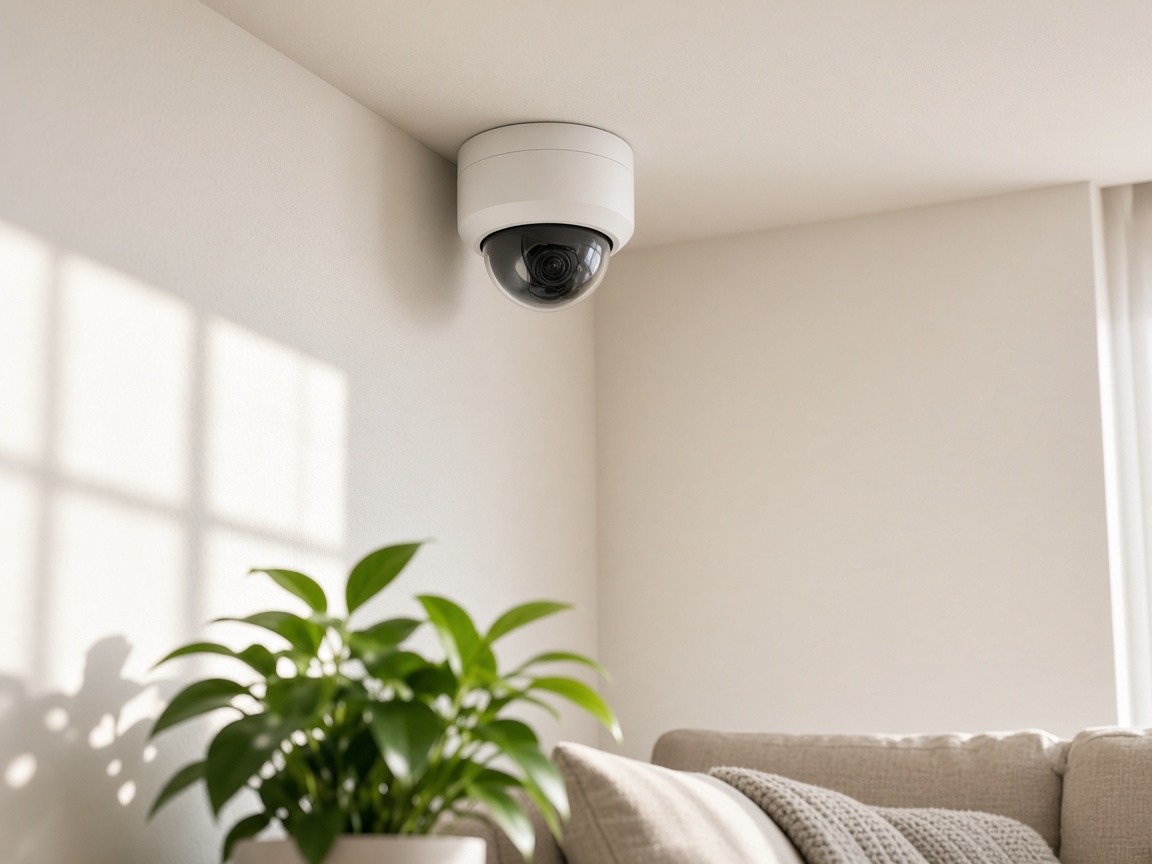
Quiet by default
- Privacy zones for bedrooms and baths
- Schedules that sleep when you are home
- Clips you can delete yourself
Inside
Indoor cameras that respect how you live
An indoor camera is useful in a hall, a stair, or a room that opens to the yard. It is a poor fit pointed at a bed or a place where guests change. We talk through that before anything is mounted.
Pet paths, morning routines, and the hour the house goes quiet all change how sensitive a sensor should be. Guardian and Estate plans include time to tune that first week with you.
See sensors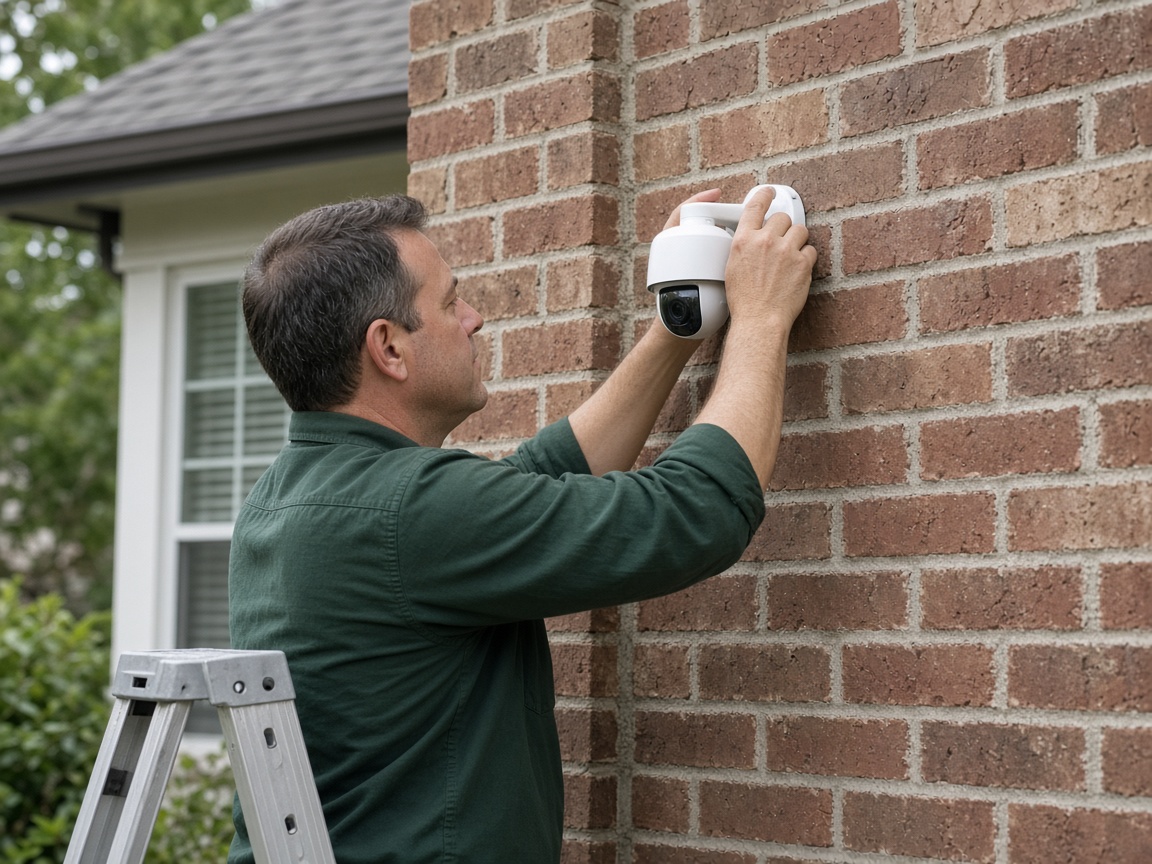
Install day
A visit that leaves the house tidy
You should not spend the evening hunting for which wire belongs to the back door. Devices are labeled, codes are written in plain language, and someone walks the app with the people who will actually use it.
- Labeled sensors
- Guest codes
- App walkthrough
- Quiet hours
★★★★★
“The camera by the side gate caught a delivery I would have missed, and the clip was ready before I reached the door.”
Helen Marquez, homeowner
★★★★★
“They labeled every sensor and set quiet hours so the dog’s evening lap does not light up the hallway beam.”
Andre Pell, homeowner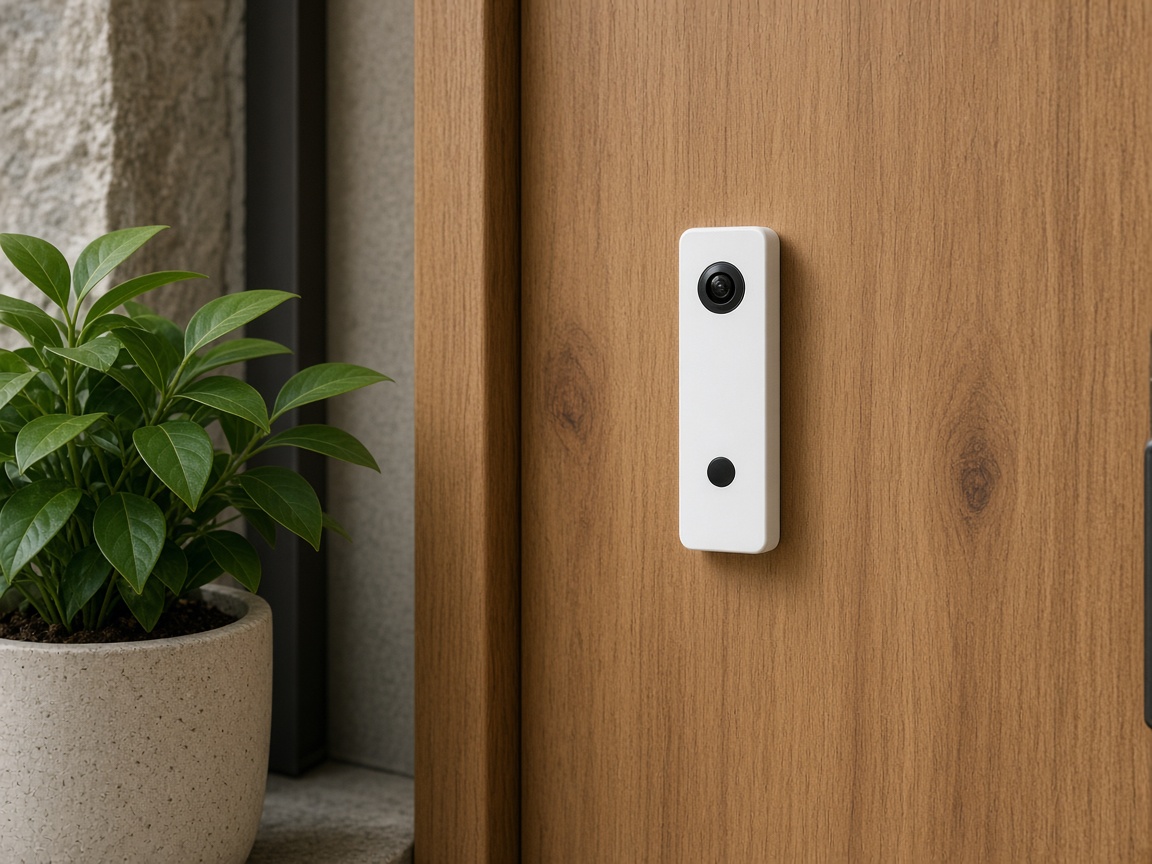
★★★★★
“We began with the doorbell and two doors, then added the yard camera the next season without replacing what we had.”
Naomi Brooks, homeowner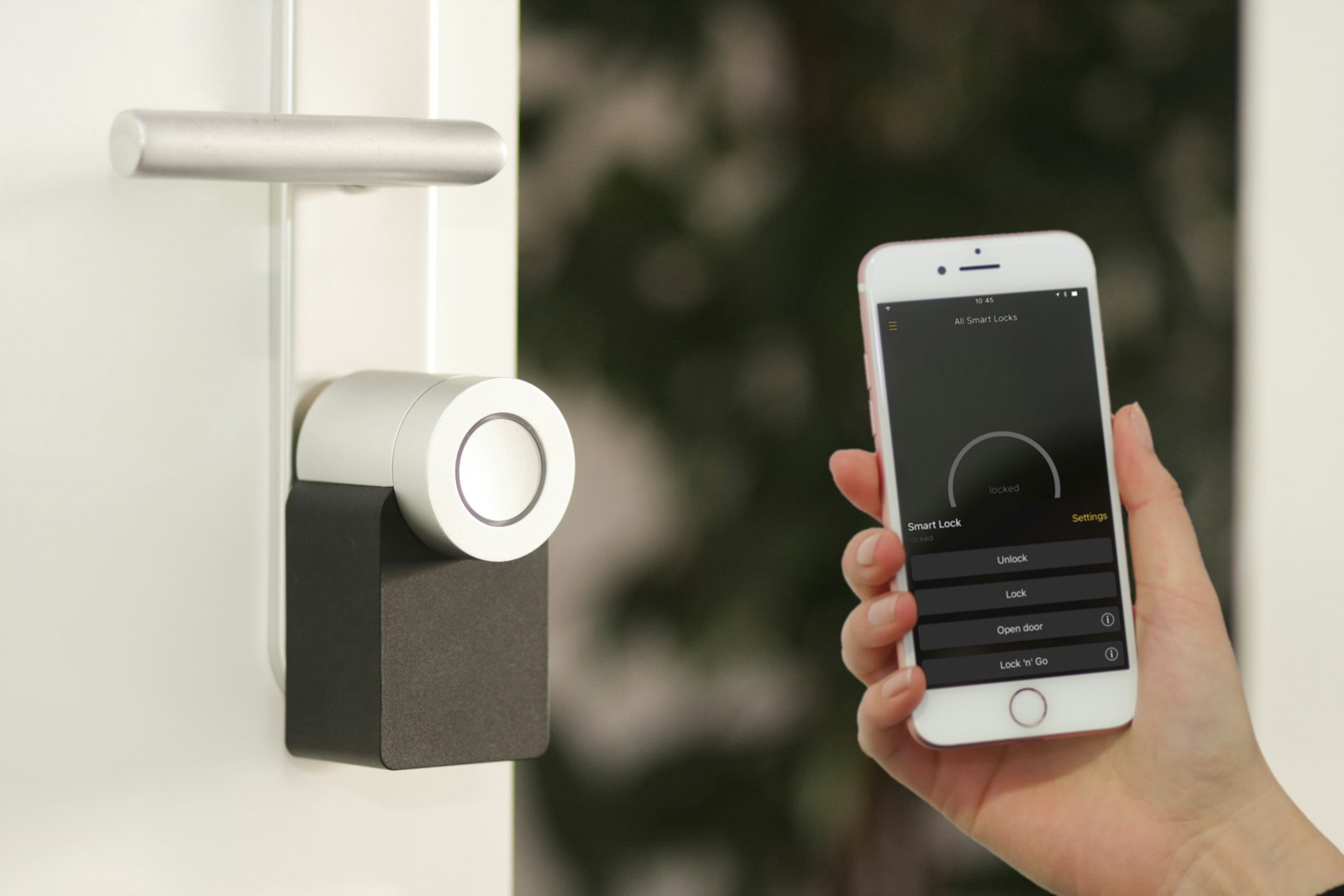
★★★★★
“Guest codes expire on their own. I stopped sharing the same key pattern with every weekend visitor.”
Chris Adeyemi, homeowner
Walkthrough
Tell Us About the Home You Want to Protect
Share a few details and we will reply by email with questions, not a script. If a visit makes sense, we schedule it around the rooms you care about most.
- No obligation quote, written in plain language
- Plans can grow later without a full replacement
- Write to care@ggpokerth.com any time
Journal
Recent Articles
Practical notes from install weeks and follow-up visits. Open any card to read the full piece.
How layered sensors cut down false alarms
A single motion beam in a busy hall will shout all evening. Pairing a door contact with a patient camera rule keeps the alert for the moment that matters.
Read article
False alarms usually come from a device that was asked to do two jobs. A hallway sensor that must ignore a pet and also notice a person at 2 a.m. needs a second opinion. We like a door or window contact as the first voice, and a camera or motion rule as the confirmation. If the door never opened, the camera can stay quiet. If the door opened while the house was in away mode, the clip is worth seeing.
During the first week we ask households to note every alert that felt unnecessary. Those notes become schedule changes: a later arming time, a narrower zone, or a sensor moved off a loose sash. Guardian plans include that tuning on purpose. The goal is a phone that stays face-down during dinner and still speaks when the side gate moves after dark.
Where a camera helps, and where it should not point
Entries, stairs, and the path to a gate are useful. Beds, baths, and a neighbor’s window are not. Placement is a privacy decision before it is a technical one.
Read article
Start outside-in. The front approach, the back door, and any gate that bypasses the main path tell you more than a lens in the middle of a living room. Indoor cameras belong in circulation spaces: a stair, a hall that leads to bedrooms, a room with a large sliding door. We mark privacy zones so the frame stops at a doorway.
Height matters as much as direction. A camera under an eave should see a face at the gate without tilting into bedroom windows next door. If the only “good” angle also films a private room, we move the mount or drop the camera from the plan. Estate visits include a written placement map you can share with everyone who lives in the house.
What a tidy install day actually includes
Labels, a code list, an app walkthrough, and a plan for the first false alarm. The hardware is only half of the afternoon.
Read article
Before we drill, we walk the same loop you walk when you come home: gate, door, hall, the room where bags land. Devices go on that loop first. Cables are routed so a future painter can find them. Each sensor gets a name a guest could understand, not a serial number.
We stay for the app. Two people in the household practice arming, disarming, and inviting a guest code that expires. You also get a one-page note of what to do when an alert fires while you are away, and what to ignore when you are cooking near a window contact. That page prevents the most common second-week frustration: a system people stop trusting because nobody explained the first noisy evening.